By legalteam On 12-01-2026 at 11:19 am
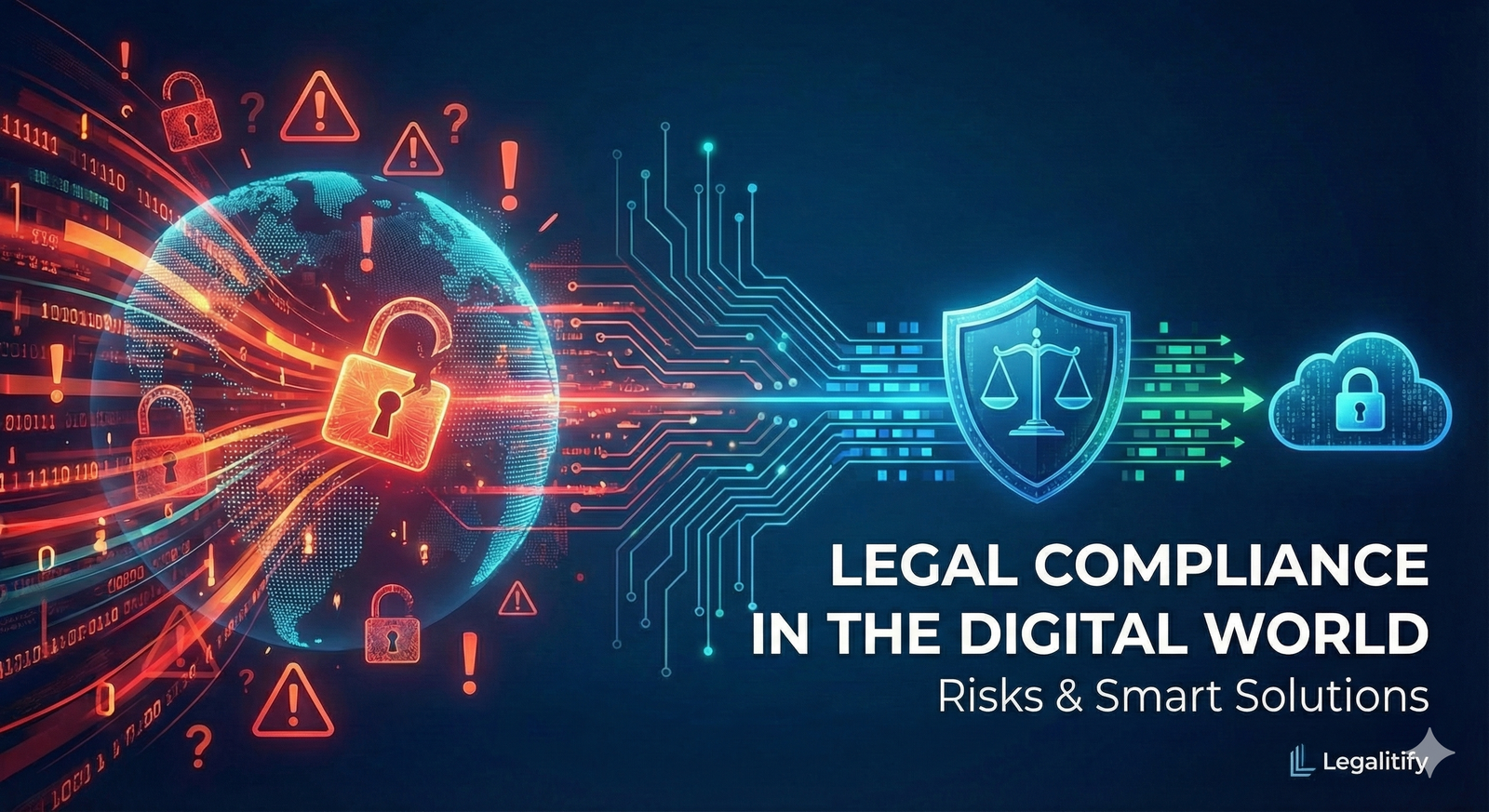
What is Legal Compliance in Digital Startups? Risks and Smart Solutions for Companies
Digitalization is rewriting the rules of the game for the business world, removing borders entirely. While speed is the key to growth in every sector from e-commerce to fintech, the biggest obstacle that can interrupt this momentum is often the overlooked lack of legal infrastructure.
The gap between the slow pace of traditional legal processes and the dynamism of the digital world creates invisible but costly risks for startups. So, why is "legal compliance" in the digital world not just a necessity, but a strategic growth move?
In this article, we examine the fundamental legal risks faced by digitizing companies and the technology-backed solutions available.
Why is Digital Compliance Important?
Digital compliance is the execution of a company's operations in accordance with legal regulations, industry standards, and data security protocols. GDPR/KVKK (Data Protection Laws), electronic commerce regulations, and intellectual property rights form the cornerstones of this compliance process. Non-compliance can result not only in administrative fines but also in severe damage to brand reputation.
Key Legal Risks Awaiting Companies
Every business operating in the digital ecosystem, regardless of scale, faces three main categories of risk:
1. Data Privacy and Security Vulnerabilities
Data is processed at every point, from the "Contact Form" on your website to your CRM system.
Risk: Privacy policies that do not align with actual processes or marketing activities conducted without explicit consent (lack of CMS/IYS integration).
Result: Serious administrative sanctions and a loss of customer trust.
2. E-Commerce and Consumer Legislation Violations
Post-sales processes are the most sensitive areas of digital law.
Risk: Using Distance Sales Contracts that are unsuitable for the business model (e.g., using a product sales template when selling SaaS).
Result: Reputation loss before Consumer Arbitration Committees due to disputes over the right of withdrawal and refund processes.
3. Intellectual Property and Software Rights
For technology startups, the most valuable asset is the code produced.
Risk: Leaving Intellectual Property Transfer (IP Transfer) clauses incomplete in contracts with developers or agencies.
Result: Inability to prove the company's rights over its own technology during investment or exit stages.
Why Do Traditional Methods Fall Short?
In a world where legislation and digital infrastructures change constantly, managing law with static Word documents is impossible. A contract prepared by a lawyer and shelved loses its validity when regulations change, leaving you unprotected.
Proactive Legal Management with Legalitify
Legalitify transforms law from being a "solution sought after a problem arises" into a smart and integrated part of your business processes.
Speed and Automation: Access the legal documents you need in minutes, not days.
Dynamic Updates: Legislative changes are instantly reflected in your documents.
Accessibility: Offers an interface free from complex legal jargon that understands the language of your business.
If you want to grow in the digital world, you must position legal compliance not as an obstacle, but as a "trust badge" that distinguishes you from your competitors. Leave the risks to technology, and focus on growing your business.

Author
Share on:
Related posts